Small children's room – find out how to best arrange a small space for a child!
January 19, 2024
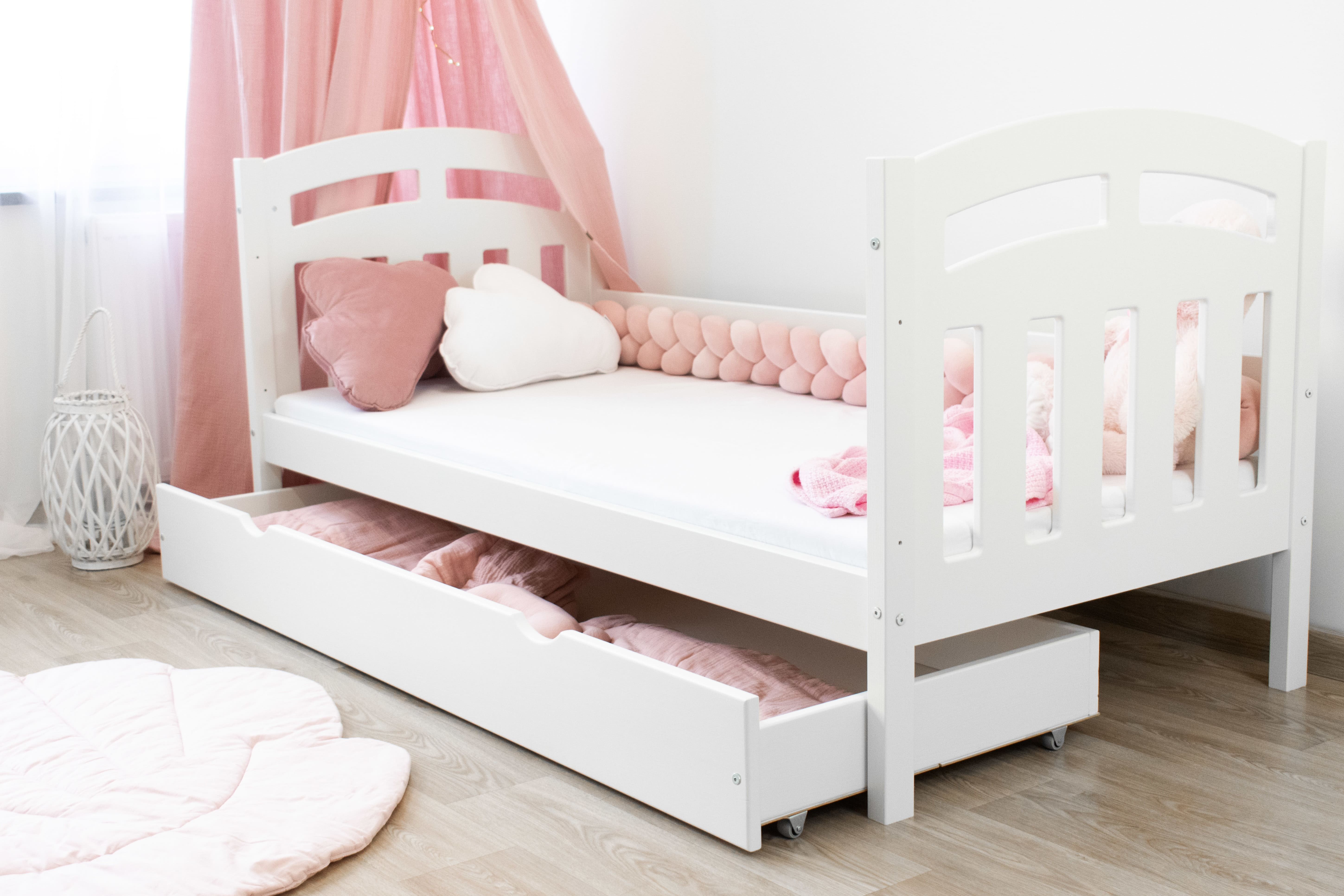
Small Children's Room – How to Arrange It Best?
Arranging a small children's room is a real challenge for parents. How to make the space functional, safe, and comfortable for the child? A small area often means the need for a creative approach to arrangement, especially when the room is to serve as a bedroom, a place for learning, and play.
In this article, we present solutions that will allow you to optimally use the space and make it as comfortable as possible.
What Bed to Choose for a Small Children's Room?
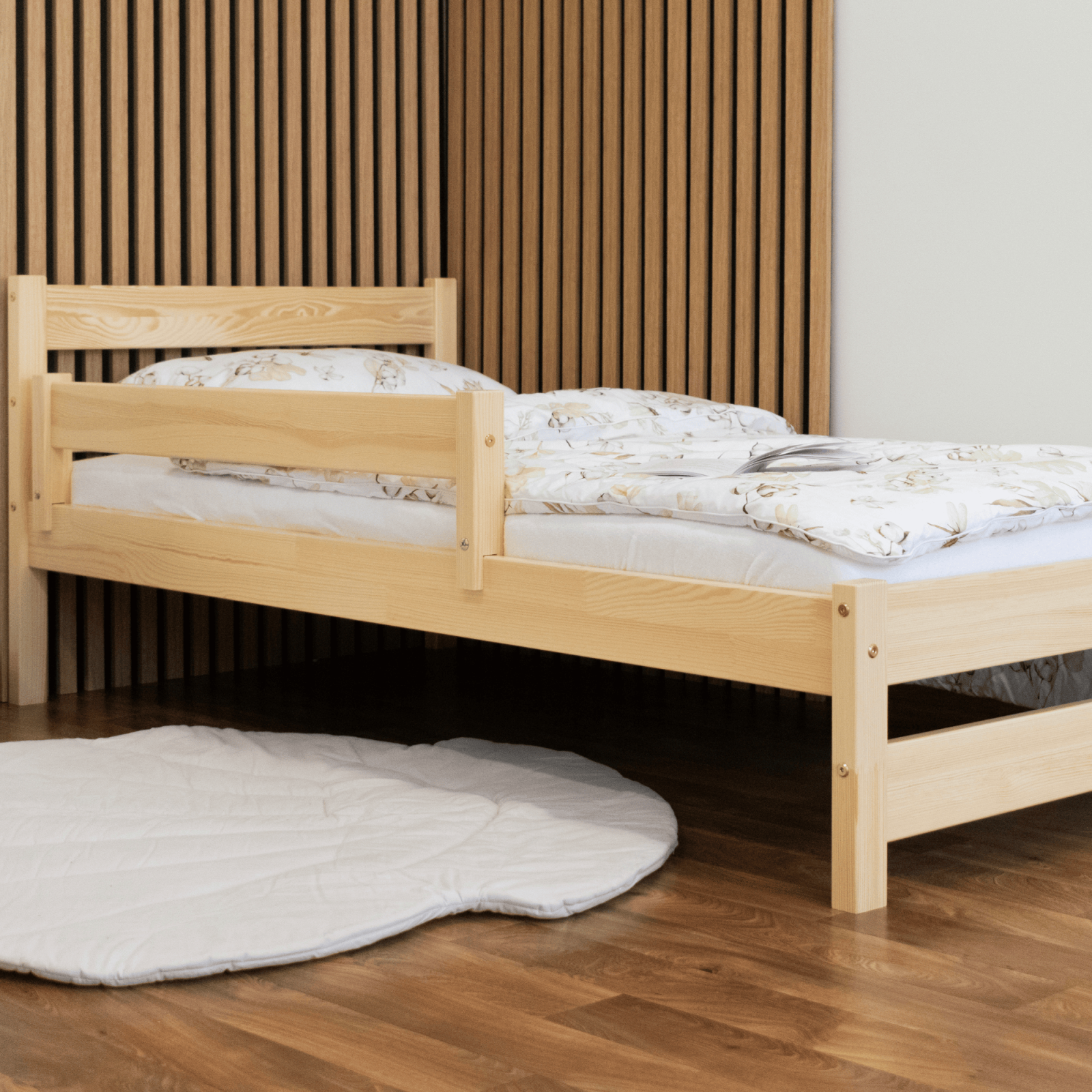
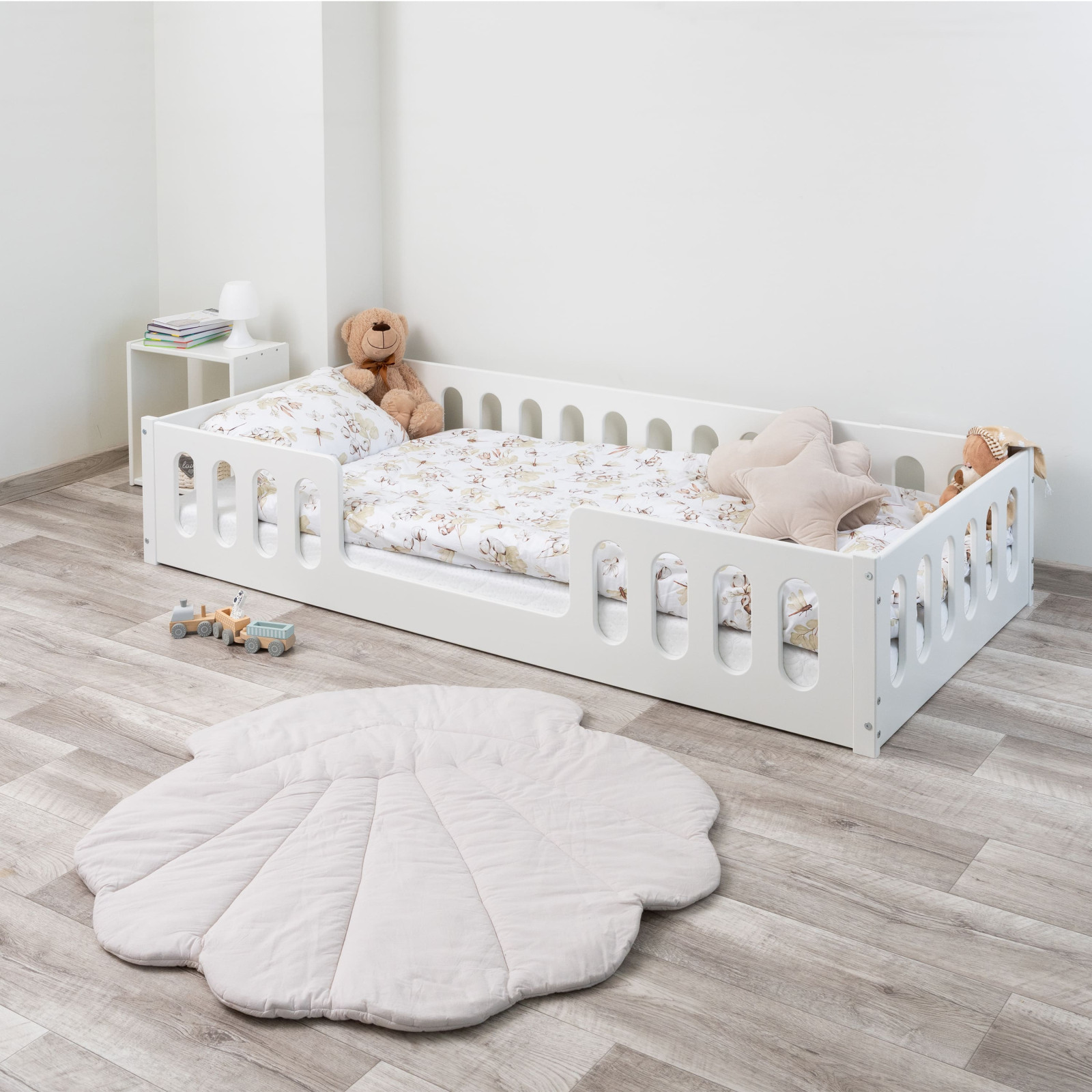
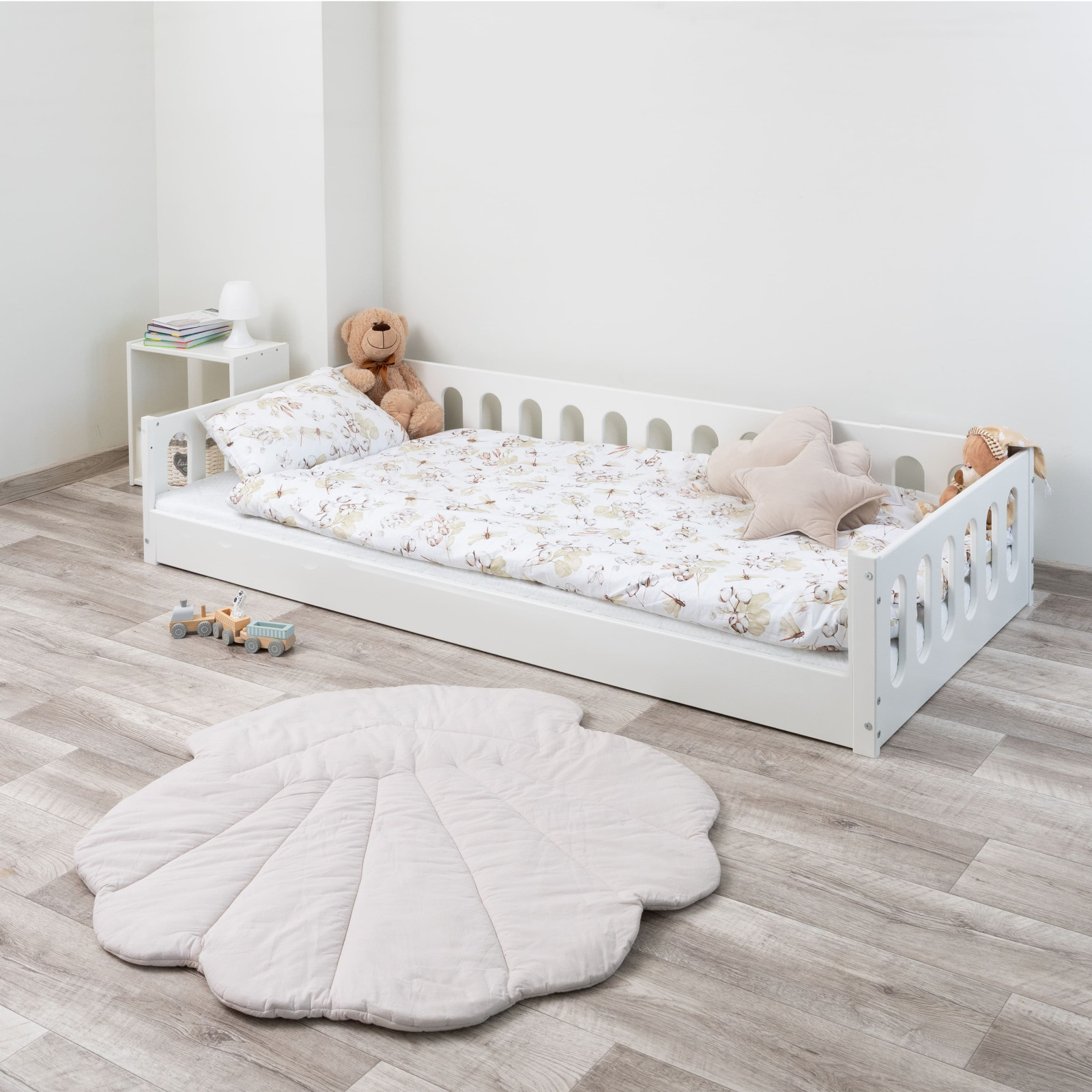
The bed is the most important element of a children's room. It should be ergonomic, safe, and adapted to the needs of the little one. Multifunctional models are an excellent choice, allowing you to save space and ensure a comfortable sleep.
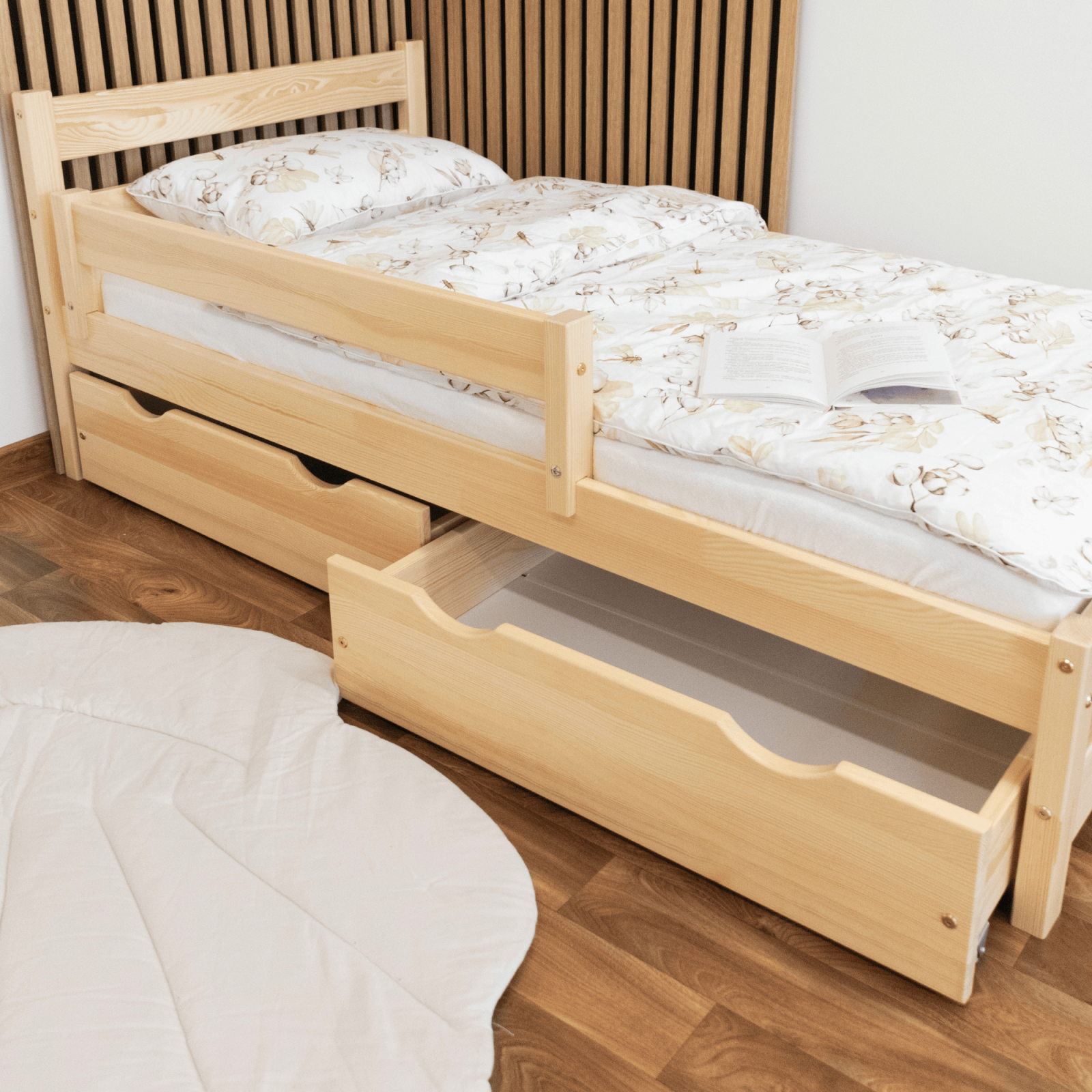
- Beds with drawers – a great solution that allows you to store bedding, toys, or clothes without the need for additional furniture.
- Bunk beds – ideal for siblings sharing a room, as well as for children who love climbing.
- Loft beds – allow you to create additional space under the bed, e.g., for a desk, cabinet, or play area. Models like the Loft House are perfect solutions for smaller rooms.
Optimal Dimensions and Layout of a Small Children's Room
A well-planned space helps avoid chaos and maximally utilize the available area. Here are some sample layouts for small children's rooms:
Room Measuring 2.5m x 3m
- Bed on a loft (e.g., with space for a desk underneath)
- Compact built-in wardrobe
- Wall shelves for toys and books
- Foldable desk or table
Room Measuring 2m x 2.5m
- Single bed with storage container
- Narrow dresser for clothes
- Corner shelves for storage
- Hanging organizers on the wall
Room for Two Children Measuring 3m x 3.5m
- Bunk bed
- Two small desks arranged along one wall
- Tall wardrobe for clothes and shared storage space
- Toy boxes hidden under the bed
Additional Suggestions for Arranging a Small Room
Use of Multifunctional Furniture
- Folding desks that can be hidden when not in use.
- Folding chairs that can be hung on hooks.
- Ottomans with storage for toys or clothes.
Utilizing Walls
- Shelves mounted at the child's eye level for easy access to books.
- Hanging organizers for small items like crayons, notebooks, or toys.
- Magnetic or chalkboard for drawing and notes.
Color Scheme and Optical Enlargement of the Space
- Light colors, such as pastel shades of blue, green, or beige.
- Mirrors placed on wardrobe doors for optical enlargement of the room.
- Spot lighting and LED lamps over the desk for better visual effect.
- Possibility of using wallpapers with forest, fairy tale, or geometric motifs that will add character to the interior.
Zoning the Room
- Study corner with a well-lit desk and ergonomic chair.
- Play area, where there can be soft mats and toy boxes.
- Cozy sleeping area, where the bed is placed in a quieter part of the room.
Personalizing the Space
- Decorations with the child's name on the wall.
- String lights adding a cozy atmosphere.
- Wall stickers that can be easily changed with the child's growing interests.
Summary
A small children's room does not have to be a problem! With the right solutions, such as loft beds, bunk beds, or multifunctional furniture, you can maximize the available space. Thoughtful zoning, the use of practical organizers, and a bright color scheme are also important to make the space cozy and functional.
Check the full range of children's beds on our website and find the perfect solution for your little one!
Nasze produkty